
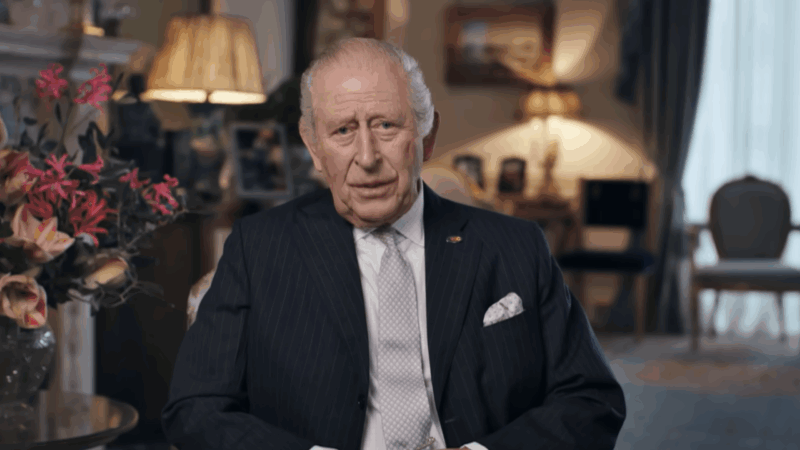
Local health leaders are encouraging people to check whether they are eligible for routine cancer screening, following a powerful message from His Majesty The King about his own cancer journey and the importance of early diagnosis.
In a recent national address for Stand Up To Cancer, The King spoke openly about his experience of cancer and urged people to take up offers of screening, highlighting how early detection can save lives and improve outcomes. His message has prompted renewed calls from the NHS for people to attend screening appointments when invited, or to seek advice if they are unsure about their eligibility.
His Majesty The King’s decision to speak openly about his cancer experience has been incredibly powerful, and we wish him well as he continues his treatment and recovery. It has helped shine a light on why cancer screening matters and why taking up invitations can make such a difference.
Screening saves lives by finding cancer earlier, or in some cases preventing it altogether. We know some people feel anxious or may have delayed appointments in the past, which is why we are working hard to make screening as accessible and supportive as possible.
I would strongly encourage anyone who receives an invitation, or who is unsure whether they are eligible, to check and take up screening when it is offered.
It is equally important to contact your GP promptly if you notice symptoms such as unexplained lumps, bleeding, a persistent cough, unexplained weight loss or any changes that do not feel right.
Dr Elizabeth Towers, System Clinical Lead for Cancer at NHS Mid and South Essex,
Evidence consistently shows that cancers detected at an early stage are more likely to be treated successfully, often with less intensive treatment, improving both survival and quality of life.
NHS data demonstrates the impact of national screening programmes in achieving this, with cervical, breast and bowel screening detecting thousands of cancers earlier and saving many lives each year. Cervical screening alone is estimated to save around 4,500 lives annually by identifying pre-cancerous changes early and enabling timely treatment, while breast screening detects nearly 19,000 cancers each year and is estimated to prevent around 1,300 deaths. Bowel screening has been shown to reduce the risk of dying from bowel cancer by at least 25%.
To support people to take the first step, members of the public can use an online screening checker to quickly see which NHS screening programmes they may be eligible for, including breast, bowel, lung and cervical screening.
Stand Up To Cancer Screening CheckerUnderstanding cancer screening
Breast screening is offered every three years to women and people registered as female aged 50 to 70, helping detect cancers too small to see or feel.
To help reassure women who may feel nervous about attending, NHS Mid and South Essex has produced a new breast screening film that clearly walks viewers through what happens before, during and after a screening appointment.
Bowel screening is offered every two years to people aged 54 to 74, using a simple test kit completed at home.
Lung health checks are offered locally to people aged 55 to 74 who smoke or used to smoke, helping to detect lung cancer early.
Across mid and south Essex, the NHS Lung Cancer Screening programme has already identified more than 227 cases of cancer, with around 75 per cent detected at an early stage. This highlights the significant impact early diagnosis can have on treatment options and outcomes.
Cervical screening is offered to women and people with a cervix aged 25 to 64, helping prevent cervical cancer by detecting high-risk HPV.
Cancer screening is designed for people without symptoms. Anyone who has missed an invitation, is unsure about screening, or has questions is encouraged to contact their GP practice for advice
Visit our cancer services page for more information on cancer screening