

The UK Health Security Agency (UKHSA) and the NHS are responding to a number of confirmed cases of invasive meningococcal disease in England.
Public health teams are working closely with the NHS and local partners to manage the situation and provide appropriate support, including offering precautionary antibiotics to close contacts where needed.
While the overall risk to the wider public remains low, meningococcal disease can develop quickly and become very serious. It is important that people understand the symptoms of meningitis and septicaemia and know when to seek medical help.
Early treatment can be life-saving.
What is meningitis and septicaemia?
Meningitis is an infection that causes inflammation of the protective layers around the brain and spinal cord.
Septicaemia (sometimes called blood poisoning) occurs when bacteria enter the bloodstream and spread through the body.
Both conditions can progress rapidly and require urgent medical attention.
Early symptoms
Early symptoms can feel similar to flu or other common illnesses. These may include:
- fever
- vomiting
- headache
- muscle or joint pain
- cold hands and feet
- feeling unusually tired or unwell
Symptoms can worsen quickly, so it is important to keep checking on anyone who feels unwell.
Symptoms of meningitis
Symptoms of meningitis may include:
- severe sleepiness or difficulty waking
- fever
- severe headache
- stiff neck
- vomiting
- sensitivity to bright lights
- confusion or delirium
- seizures (fits)
Symptoms of septicaemia
Symptoms of septicaemia may include:
- fever and shivering
- severe pain in muscles, joints or limbs
- vomiting
- very cold hands and feet
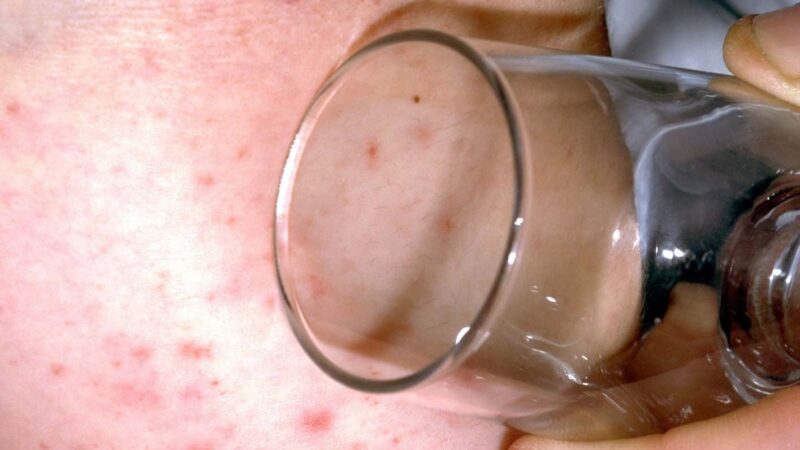
- pale, blotchy or mottled skin
- rapid breathing
- diarrhoea or stomach cramps
- a red or purple rash that does not fade when pressed
- difficulty walking or standing
- severe sleepiness or loss of consciousness
Not everyone will have all symptoms, and they can appear in any order.
Do not wait for a rash to appear before seeking medical advice
If you are worried about yourself, your child, or someone you know seek medical advice urgently by calling NHS 111.
If someone is seriously unwell or symptoms are getting worse quickly, dial 999 immediately
Getting medical help quickly can save lives.
Vaccination and prevention
Vaccination helps protect against some types of meningococcal disease.
The MenACWY vaccine protects against four types of meningococcal bacteria (MenA, MenC, MenW and MenY) that can cause meningitis and septicaemia.
Young people and students are particularly encouraged to ensure they are up to date with their vaccinations.
If you are unsure about your vaccination status, contact your GP practice for advice.
Find out more
You can find further information about meningitis, symptoms and vaccination on the NHS website.
Knowing the signs and symptoms of meningitis and septicaemia and acting quickly if someone becomes unwell can help save lives.