

High blood pressure, also known as hypertension, often has no symptoms. Nearly 88,000 people living in mid and south Essex are living with this condition but don’t know yet. If it isn’t found and treated, it can lead to serious health problems including heart attacks, strokes and kidney damage.
The good news is, thanks to local efforts to help stop high blood pressure early, nearly 8,000 adults over the age of 16 have been diagnosed in the last nine months (March-November 2025). In November, alone, just over 1,100 people were diagnosed.
And with tens of thousands of people now recording their blood pressure at home and sharing these results with their GP practice (nearly a 19% increase on last year) more people are reducing their risks of serious health problems. However, local insight also highlights risks linked to not taking medication that can help manage this condition.
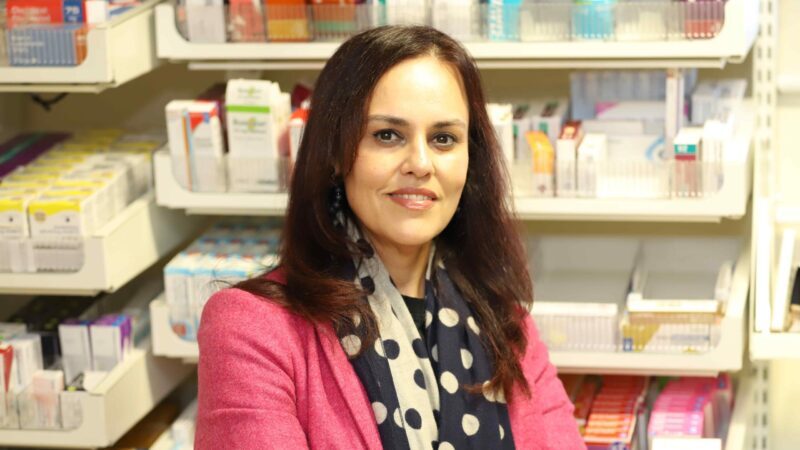
Sofiea Azad is a clinical pharmacist working in a GP surgery. She talks about why it’s important to take any prescribed medicines to treat high blood pressure – and other health problems – and why talking to a healthcare professional or having a medication review can help you manage your health.
Make sure your treatment is working for you
It’s important to follow instructions on how to take any medicines, including over the counter or those that you’ve been prescribed. If you have a long-term health condition, such as high blood pressure, you may feel fine and decide that you don’t need to take them anymore. However, taking prescribed medicines helps to manage your condition. If you stop taking any, or don’t take them correctly, this can lead to side effects or your condition getting worse.
You may also find on your journey to managing your health that the medicine you’re taking isn’t working effectively or you’re having problems with side effects. In either of these cases, you should talk to your GP or practice pharmacist first before you make any changes.
Your GP or practice pharmacist will offer you a medication review. This is where you can talk about your prescribed medicines, ask questions and let them know if you are having any problems. They can suggest changes to your prescribed medicines or dosage too.
If you have been prescribed a new medicine, you can always get advice from your community pharmacist. For certain medicines for conditions such as:
- high blood pressure (hypertension)
- asthma
- diabetes (type 2)
- high cholesterol
- stroke
you have access to the New Medicines Service. As part of the service, you will have three appointments with a pharmacist over several weeks. These will be either over the phone or face-to-face. You can ask questions about your prescribed medicines and the pharmacist can help you with any issues linked to this. If needed, they will refer you back to your GP practice, such as if your prescription needs to be changed.
Most pharmacies offer the New Medicine Service, but you don’t have to wait to be invited. If you’ve started a new medicine for one of the conditions above, ask your local pharmacy about the New Medicine Service.
Find out more about NHS New Medicine ServiceFor more information about blood pressure and your health, speak to your pharmacist or GP or visit our managing blood pressure webpage.